The short version: Florida remains one of the most active legal markets in the United States, but the easy-hiring era is over. Employers are still adding lawyers. They are simply far more precise about who they add, in which practice, and with what skills. For senior attorneys with a defined specialty, that is good news. For generalists, it is a signal to sharpen their positioning.
What Is Still Driving Demand
The forces that reshaped Florida's legal market over the past several years have not reversed. People, companies, and capital continue to arrive. The state has no personal income tax. And the national firms that opened in Miami, Palm Beach, and Tampa came to stay: they have signed long leases, built local partnerships, and now compete directly with Florida's established firms for the same senior talent.
That competition is the defining feature of the market today. A senior associate or partner in a strong practice has more credible options than at any point in the state's history: a Florida-founded firm, a national firm's Florida office, or an in-house role at one of the many companies that have relocated or expanded here.
Where Demand Is Strongest
- Condominium, construction, and community association law. Florida's post-Surfside legislation requires milestone inspections and structural integrity reserve studies for older condominium buildings. The result is sustained work in construction defect, association counsel, special assessments, lending, and the disputes that follow.
- Insurance coverage and defense. The 2022 and 2023 reforms, which eliminated one-way attorney's fees in property insurance cases and overhauled tort litigation, changed the economics of this practice. Volume litigation has thinned, while complex coverage, bad faith, and catastrophic-loss work rewards experienced counsel.
- Transactional real estate and real estate finance. Development, hospitality, industrial, and multifamily activity continue to generate deal work, and lenders and sponsors want attorneys who have closed complex Florida transactions before.
- Private wealth, trusts, and estates. Wealth migration into South Florida and the Gulf Coast has made this one of the tightest talent pools in the state.
- Financial services, funds, and regulatory. Miami and Palm Beach now support fund formation, securities, and compliance practices that barely existed locally a decade ago.
- Healthcare, and labor and employment. Both are steady, counter-cyclical practices tied to Florida's population growth.
- AI governance and data privacy. Companies want counsel who can write an AI use policy, negotiate technology contracts, and advise the board. Very few lawyers can yet claim real experience here.
Where the Market Has Cooled
Not every corner of the market is expanding. High-volume first-party property litigation contracted after the fee reforms, and a number of firms built on that model have shrunk or pivoted. Hiring of junior generalists is slower, in part because firms are waiting to see how much routine work AI tools absorb. And commoditized practices face fee pressure from clients who now expect efficiency gains to show up on the invoice.
The market has not weakened. It has become more discriminating. Employers will pay a premium for the right specialist and pass entirely on a candidate who is merely available.
How AI Is Showing Up in Hiring
Two years ago, AI was a topic for panel discussions. Today it is an interview question. Firms and legal departments increasingly ask how a candidate uses AI tools, how they verify the output, and whether they have supervised others doing so. We cover this in depth in what AI means for legal professionals and in our assessment of which legal roles are most exposed.
A Market-by-Market Snapshot
- Miami: the state's deepest and most competitive market, anchored by finance, international work, real estate, and national firm offices.
- Fort Lauderdale and Palm Beach: strong in private wealth, real estate, insurance, and commercial litigation, with growing fund and financial services work.
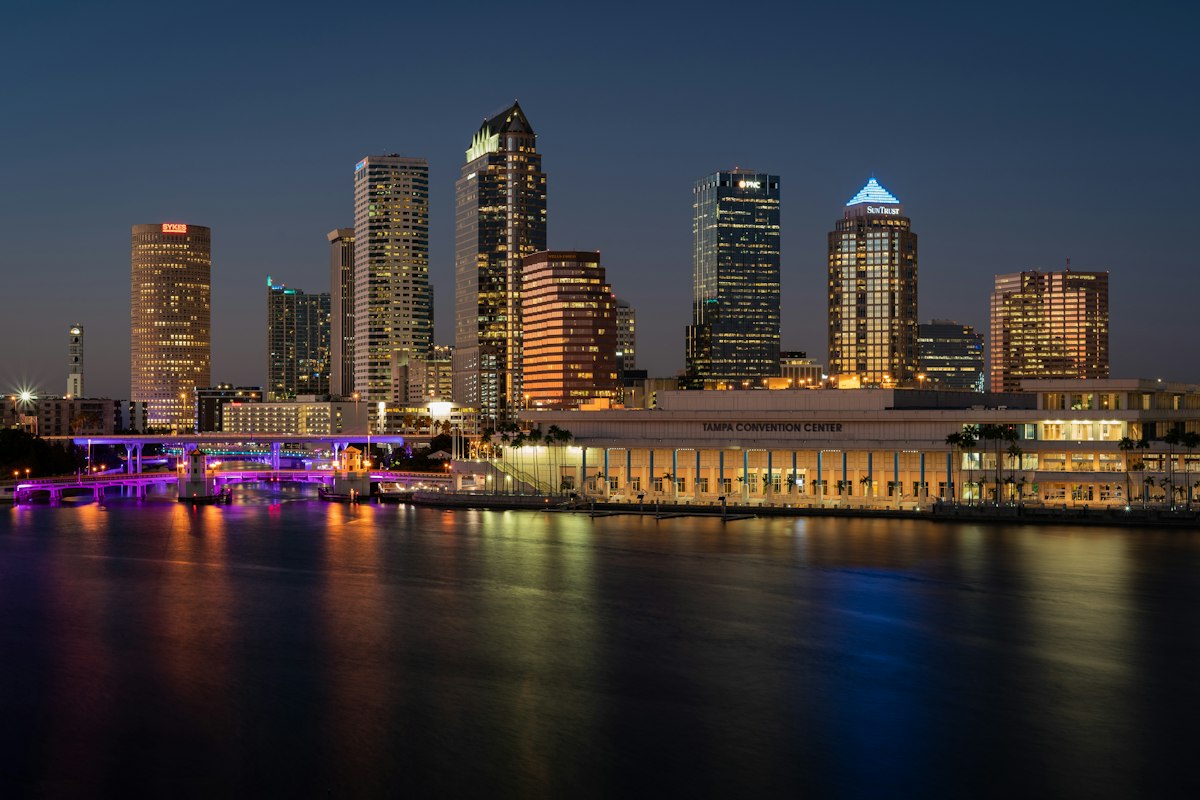
- Tampa: a broad-based market in corporate, healthcare, construction, and financial services, with a rising number of national firm offices.
- Orlando: hospitality, real estate, construction, healthcare, and technology.
- Jacksonville: logistics, banking, insurance, and healthcare, with a stable in-house community.
- Naples and Fort Myers: private wealth, real estate, and construction, with persistent shortages of senior talent.
Our Florida market guides cover each city in detail.
Compensation
Compensation remains uneven across the state. National firms in Miami generally pay on their national scales. Florida-founded firms vary widely by practice and city, and often compete on partnership prospects, origination credit, and flexibility rather than base salary alone. The Florida Legal Salary Guide and the Florida Attorney Compensation Report break this down by level and market.
What This Means for Candidates
- Lead with your specialty. Employers are hiring for defined needs. A résumé that reads as "general commercial litigation" competes poorly against one that reads as "construction defect and condominium disputes."
- Sort out Florida Bar admission early. Florida has no reciprocity. If you are relocating, plan the exam into your timeline, or look at in-house roles that qualify for authorized house counsel status.
- Be ready to talk about AI. Have a specific, honest answer about the tools you use and how you check their work.
- Know your portable business. For partners and senior counsel, realistic numbers build credibility. Inflated ones end conversations.
What This Means for Employers
The best candidates are employed, well paid, and not reading job postings. Reaching them takes a specific story: the work, the path to partnership or leadership, and why your platform is better for their practice than the one they are on. Slow processes lose candidates to faster competitors, and in a selective market the cost of a vacant senior seat is usually higher than the cost of moving decisively.
If you are weighing a move or a hire, a confidential conversation is the fastest way to find out where you stand in the current market.
Frequently Asked Questions
Is Florida's legal market still growing?
Yes, but more selectively than during the post-2020 surge. The structural drivers remain in place: population and wealth migration, corporate relocations, no state income tax, and national firms with permanent Florida offices. What has changed is that employers now hire for specific needs rather than building headcount ahead of demand.
Which practice areas are in highest demand in Florida?
Demand is strongest in transactional real estate and real estate finance, construction and condominium law, insurance coverage and defense, private wealth and trusts and estates, financial services and funds, healthcare, and labor and employment. Attorneys who pair one of these specialties with AI governance or data privacy experience are especially sought after.
Do I need to be admitted to the Florida Bar to move to a Florida firm?
In almost every law firm role, yes. Florida does not offer reciprocity or admission on motion, so out-of-state attorneys must sit for the Florida Bar exam. In-house lawyers may be able to practice for a single employer under Florida's authorized house counsel rule, which is one reason corporate roles are a common entry point for relocating attorneys.
Is now a good time to make a lateral move in Florida?
For attorneys with five or more years of experience in an in-demand specialty, yes. Selective markets reward candidates with a clear specialty, strong references, and a realistic view of their portable business. Generalists and attorneys in high-volume, commoditized practices face a harder market than they did two or three years ago.